
The Estate
that Witnessed Genius.
The Estate
that Witnessed Genius.
The Estate
that Witnessed Genius.
Just steps from Gaudí’s UNESCO-listed Crypt, Can Soler de la Torre stands as a silent witness to the birth of Modernism — now ready for its own rebirth as a destination of heritage, hospitality, and timeless design.
Just steps from Gaudí’s UNESCO-listed Crypt, Can Soler de la Torre stands as a silent witness to the birth of Modernism — now ready for its own rebirth as a destination of heritage, hospitality, and timeless design.
Just steps from Gaudí’s UNESCO-listed Crypt, Can Soler de la Torre stands as a silent witness to the birth of Modernism — now ready for its own rebirth as a destination of heritage, hospitality, and timeless design.
Own a piece of history
Offered at €2.1 Million
A 3,462 m² Catalan heritage estate primed for boutique hotel transformation - one of the few privately owned properties within Gaudí’s world heritage corridor.
One of Catalonia’s Most Extraordinary Investment Opportunities
An architectural landmark ready for revival - poised between history, art, and opportunity.
1622:
Foundations of the Estate
1622:
Foundations of the Estate
1622:
Foundations of the Estate
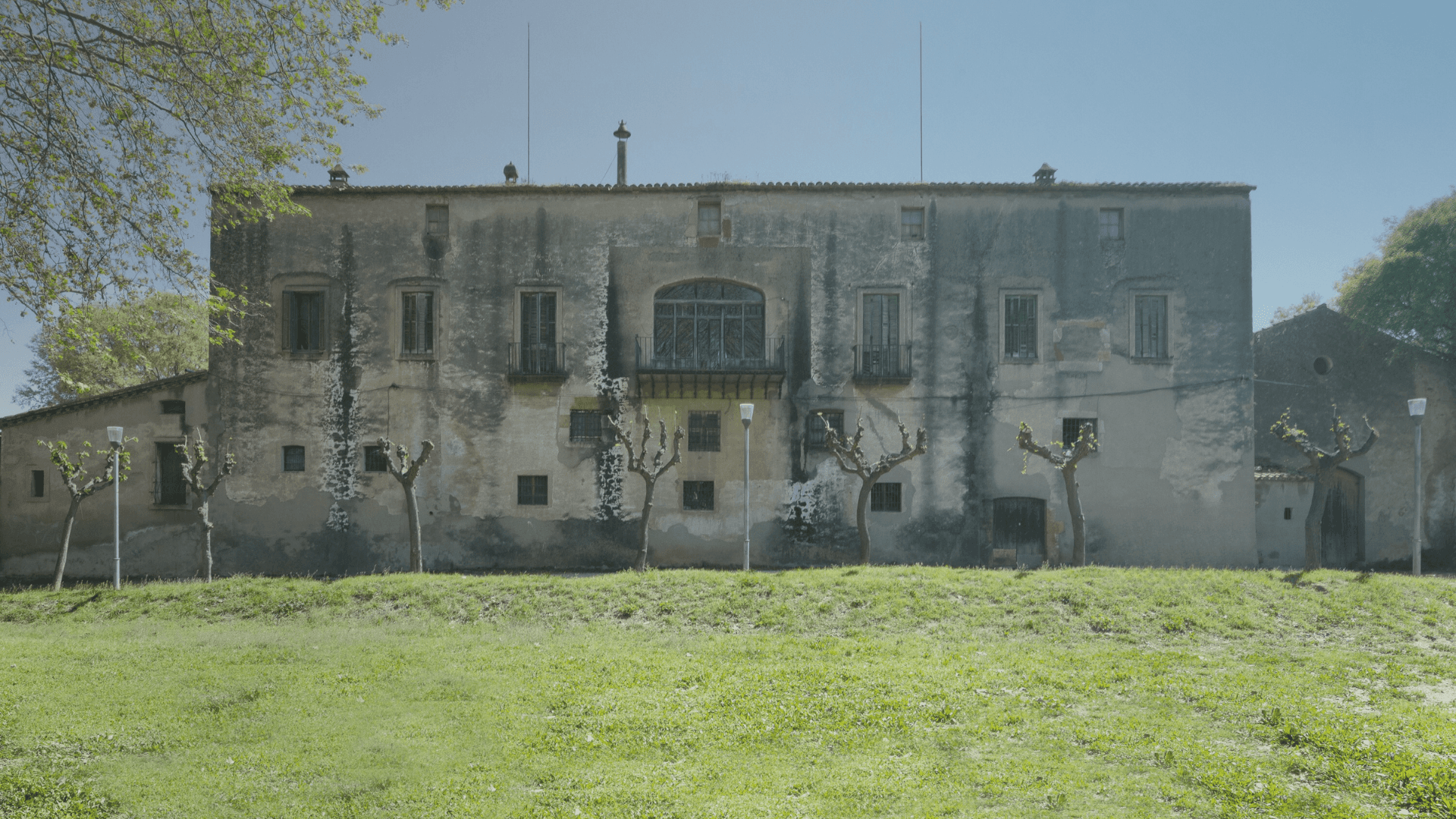
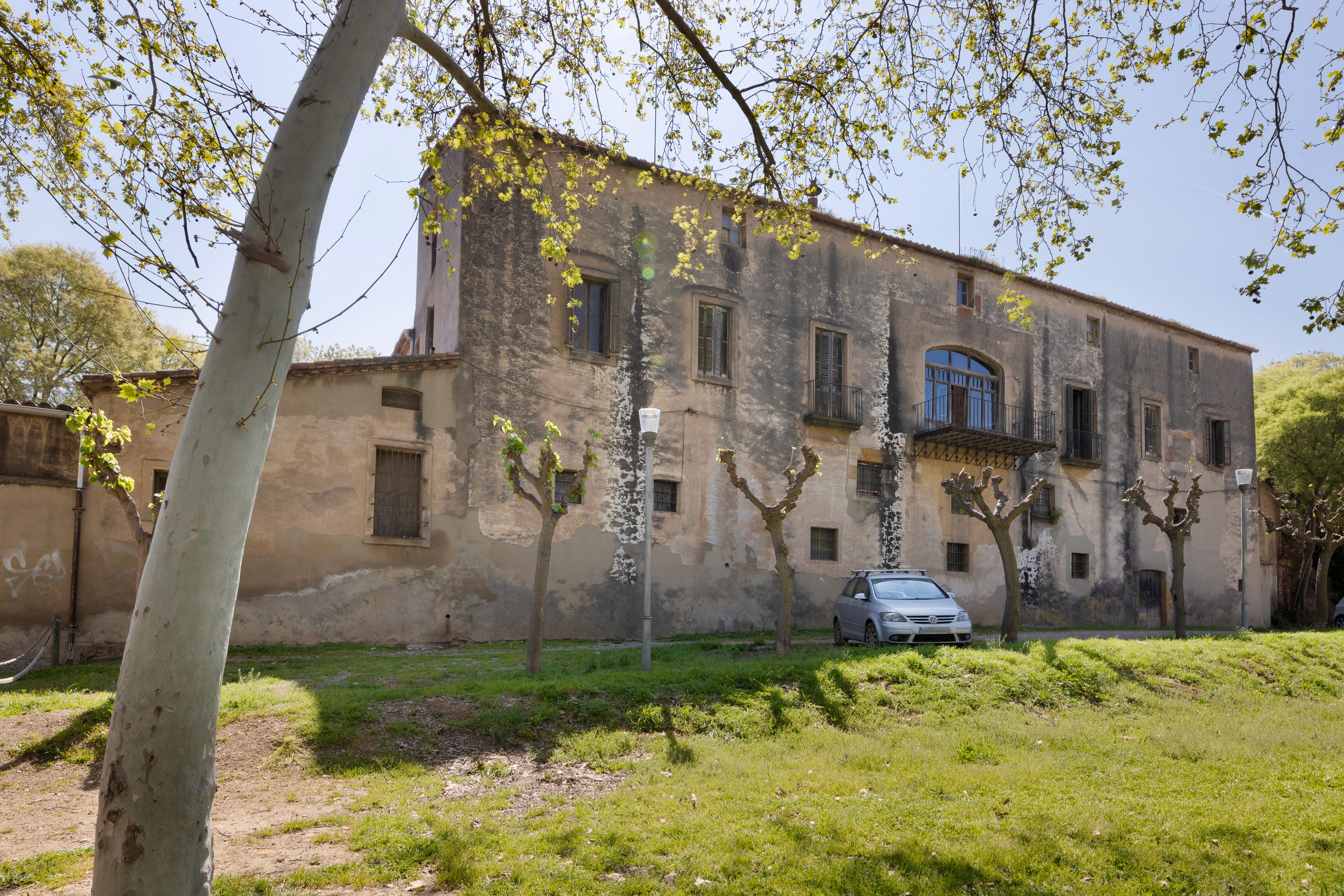
It was built as a fortified rural farmhouse, a symbol of stability and prestige. Its thick stone walls, vaulted ceilings, and terracotta details reflect the craftsmanship of the 17th century. For centuries, it stood quietly among the fields that would later become the Colònia Güell, long before industrialisation or Modernism transformed the area.
It was built as a fortified rural farmhouse, a symbol of stability and prestige. Its thick stone walls, vaulted ceilings, and terracotta details reflect the craftsmanship of the 17th century. For centuries, it stood quietly among the fields that would later become the Colònia Güell, long before industrialisation or Modernism transformed the area.
1800s:
The Güell Vision
1800s:
The Güell Vision
1800s:
The Güell Vision
In the late 19th century, the industrial magnate Eusebi Güell—one of Spain’s most influential patrons of art and architecture—began acquiring land around Santa Coloma de Cervelló. Güell envisioned a new model industrial community where workers could live and create in harmony with their surroundings. He commissioned a young Antoni Gaudí to design the colony’s church, the Crypt of the Colònia Güell—an architectural experiment that would later directly influence the Sagrada Família. During this period, Can Soler de la Torre became part of the cultural landscape shaped by Güell’s vision, standing as a silent witness to Gaudí’s earliest architectural innovations.
In the late 19th century, the industrial magnate Eusebi Güell—one of Spain’s most influential patrons of art and architecture—began acquiring land around Santa Coloma de Cervelló. Güell envisioned a new model industrial community where workers could live and create in harmony with their surroundings. He commissioned a young Antoni Gaudí to design the colony’s church, the Crypt of the Colònia Güell—an architectural experiment that would later directly influence the Sagrada Família. During this period, Can Soler de la Torre became part of the cultural landscape shaped by Güell’s vision, standing as a silent witness to Gaudí’s earliest architectural innovations.
1900s:
Expansion under Berenguer
1900s:
Expansion under Berenguer
1900s:
Expansion under Berenguer
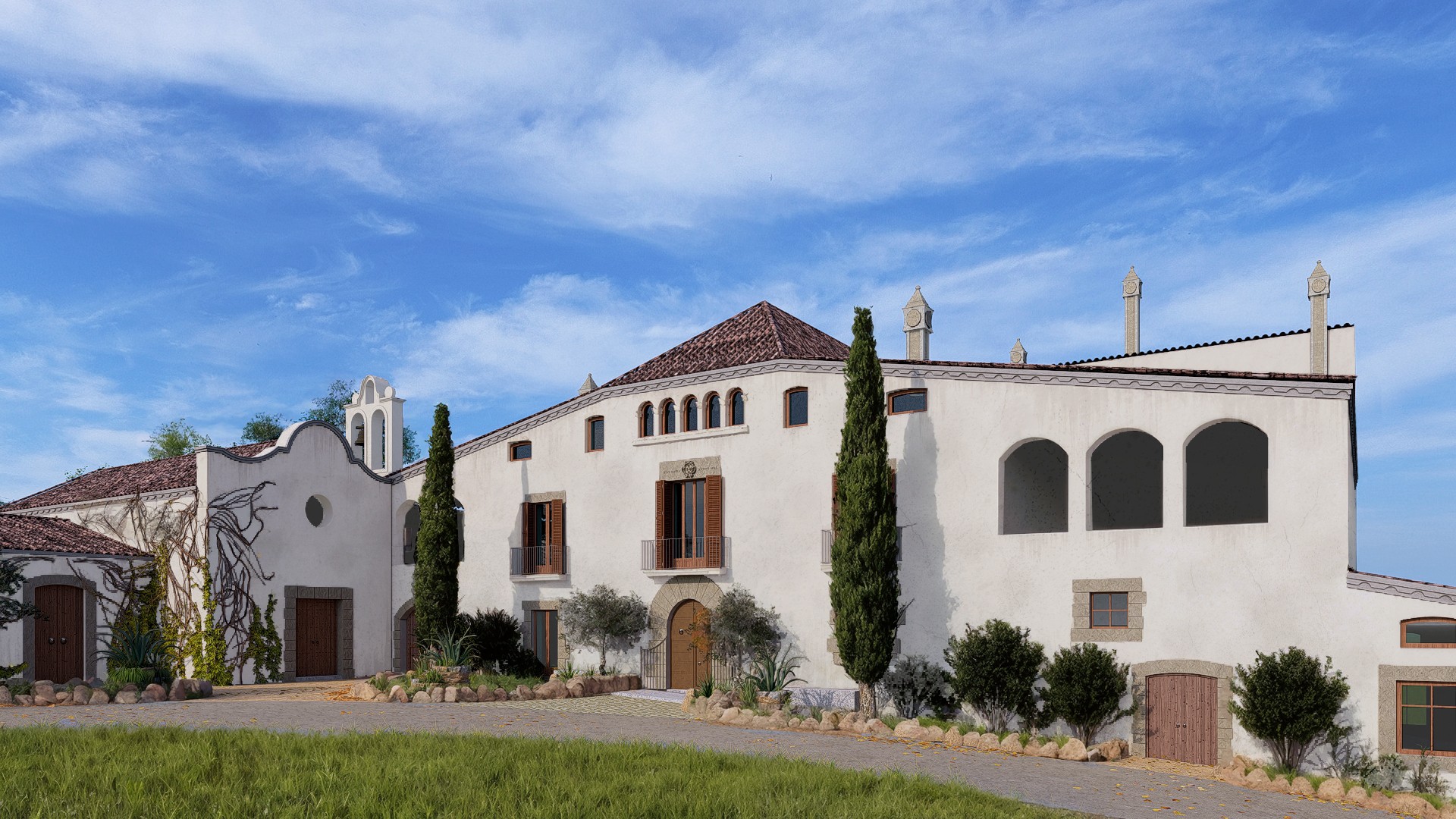
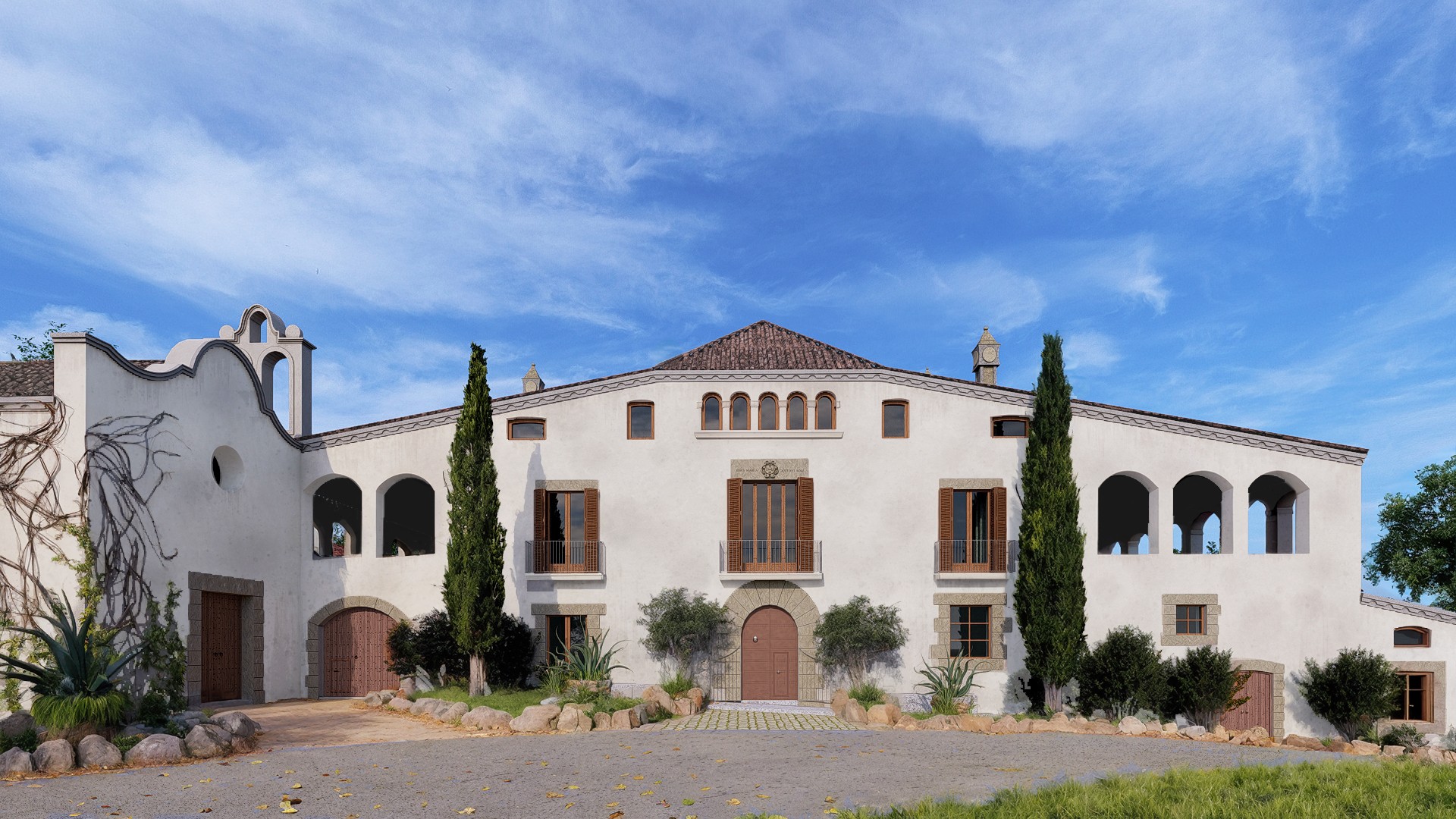
In the early 20th century, the estate was remodelled under the direction of Francesc Berenguer i Mestres, a close collaborator and trusted architect of Gaudí. Berenguer’s interventions introduced new extensions, arches, and ornamental elements characteristic of Catalan Modernism, uniting the 17th-century foundations of the farmhouse with the design language of a new era. What began as a rural farmhouse thus evolved into a singular architectural work—an exceptional synthesis of tradition and artistic experimentation.
In the early 20th century, the estate was remodelled under the direction of Francesc Berenguer i Mestres, a close collaborator and trusted architect of Gaudí. Berenguer’s interventions introduced new extensions, arches, and ornamental elements characteristic of Catalan Modernism, uniting the 17th-century foundations of the farmhouse with the design language of a new era. What began as a rural farmhouse thus evolved into a singular architectural work—an exceptional synthesis of tradition and artistic experimentation.
THe Estate Today
THe Estate Today
A historical heritage to be restored
A historical heritage to be restored
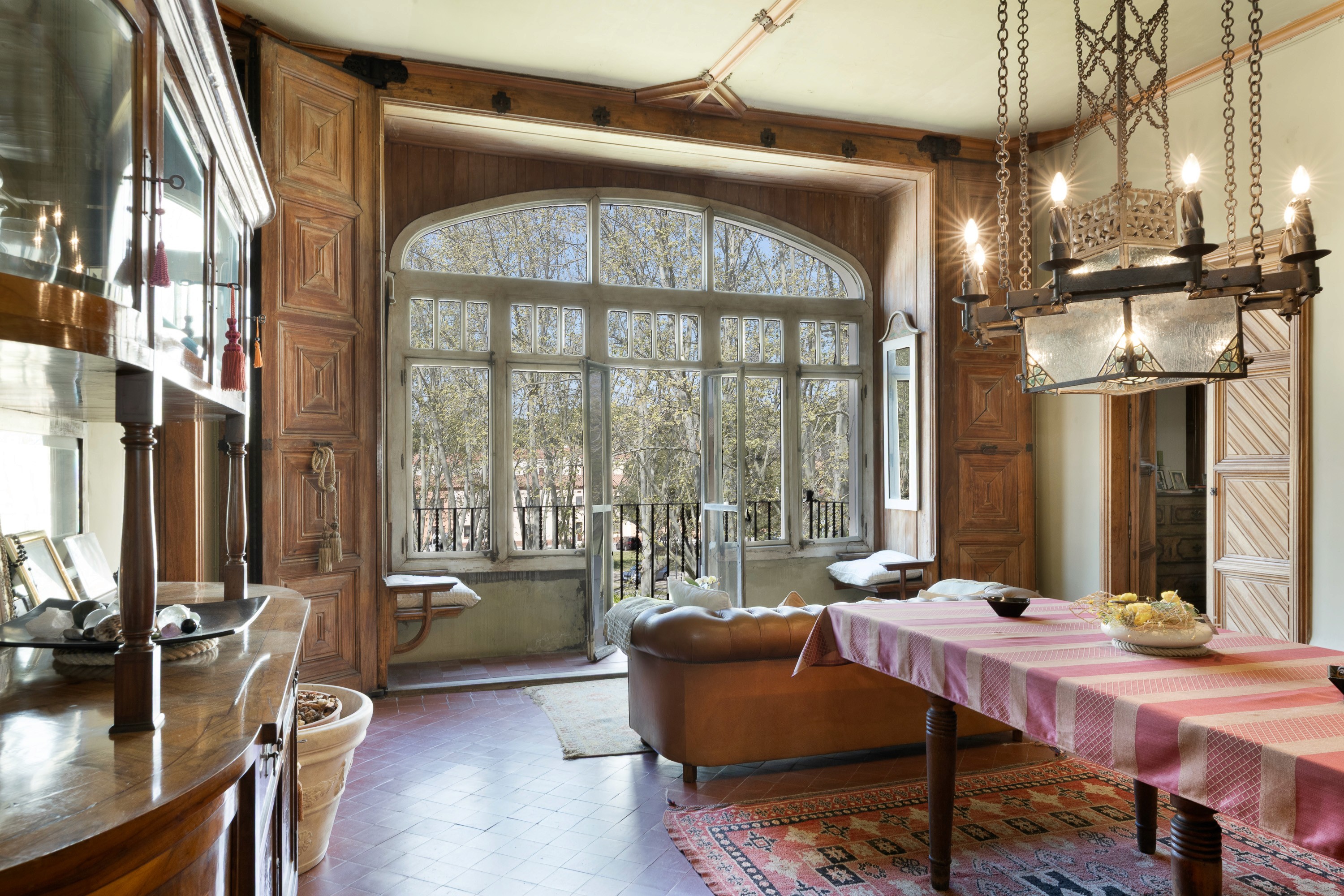
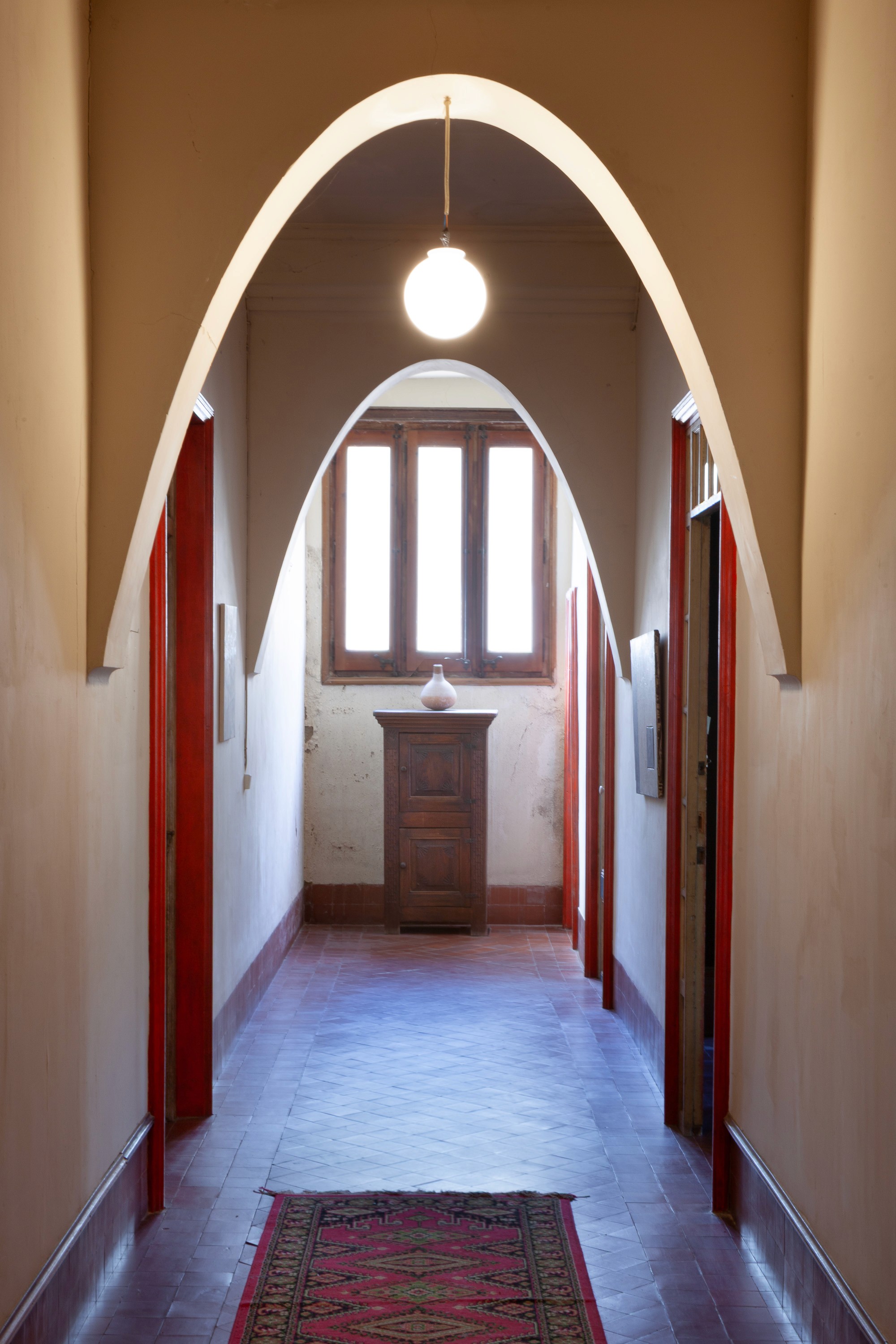
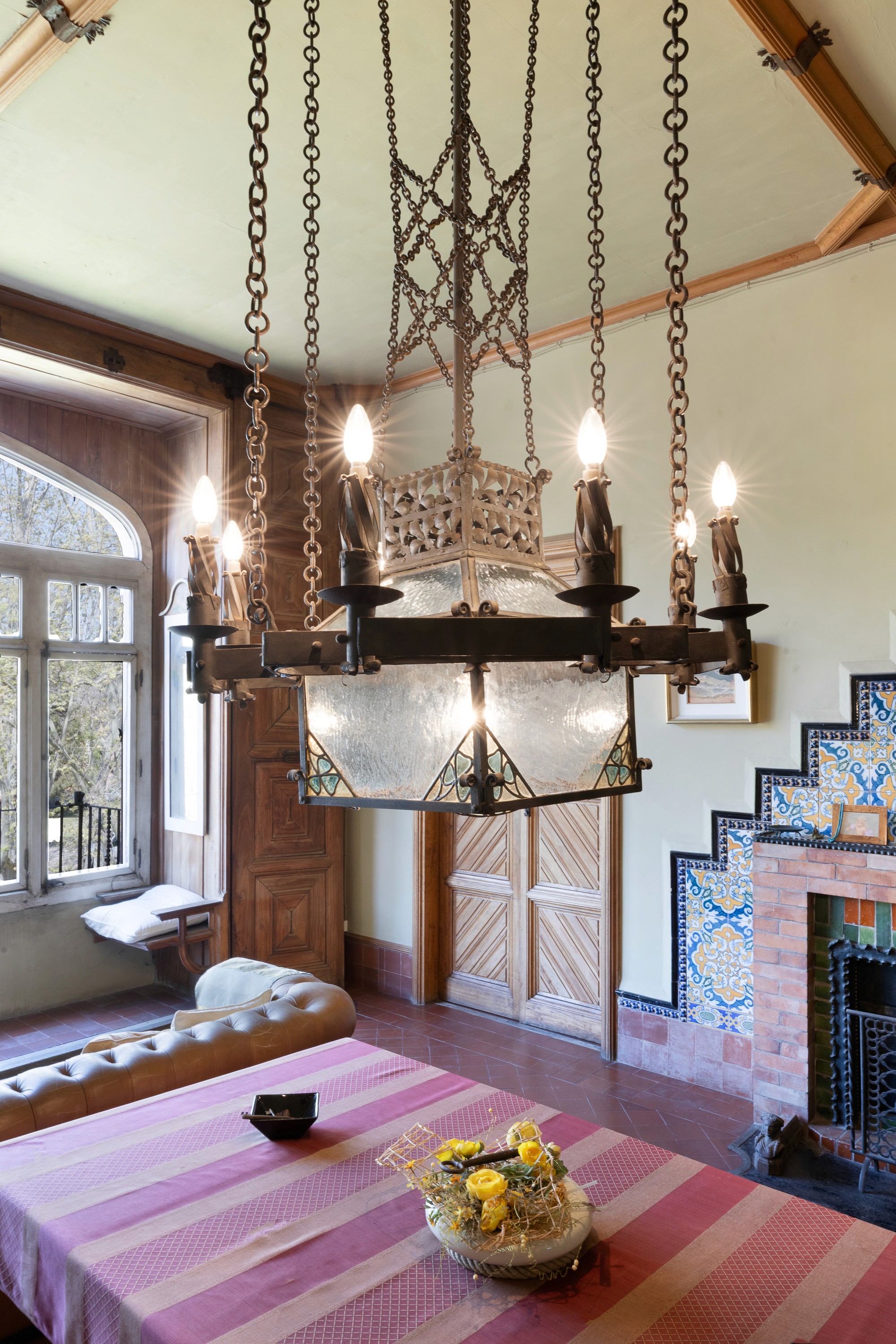
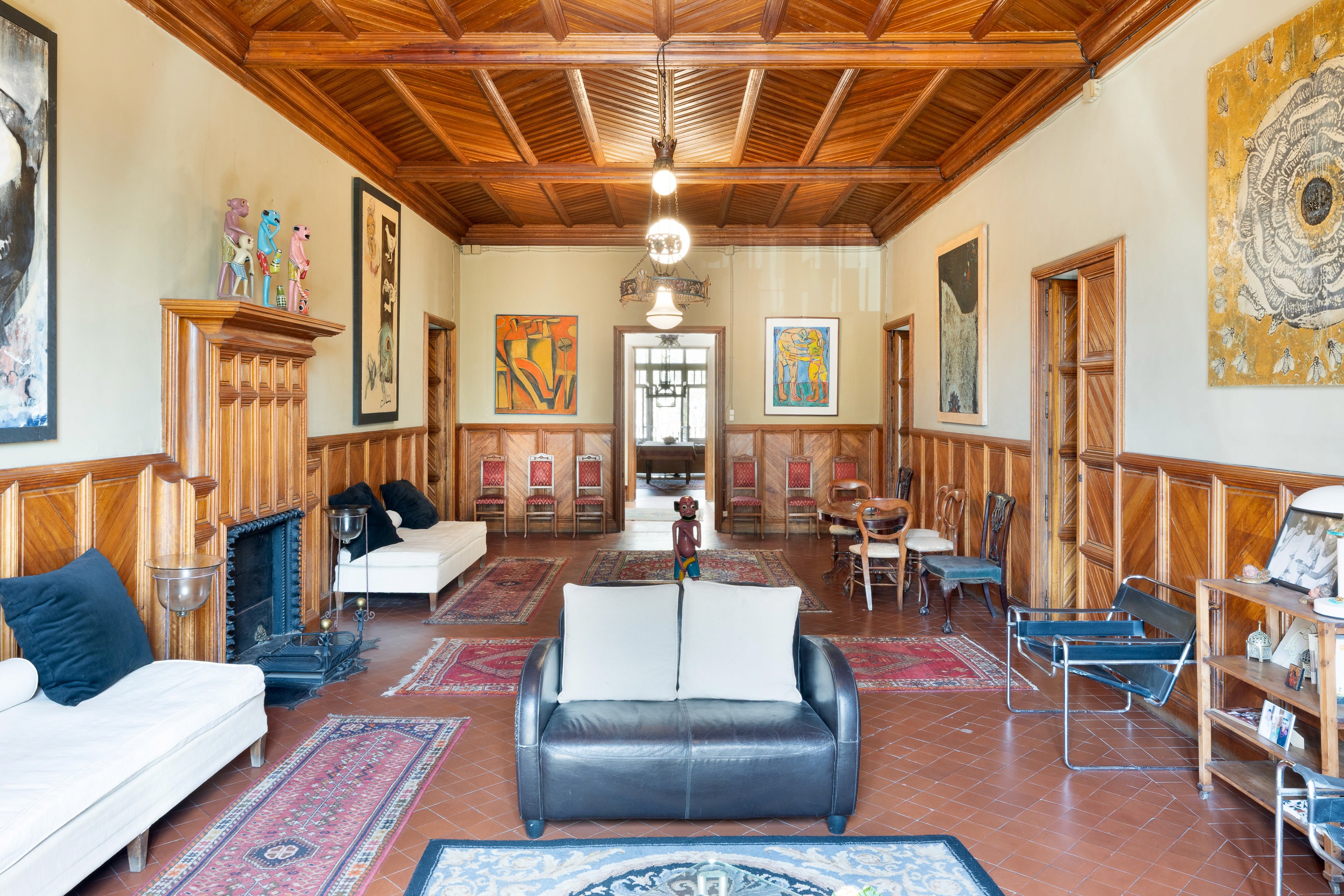
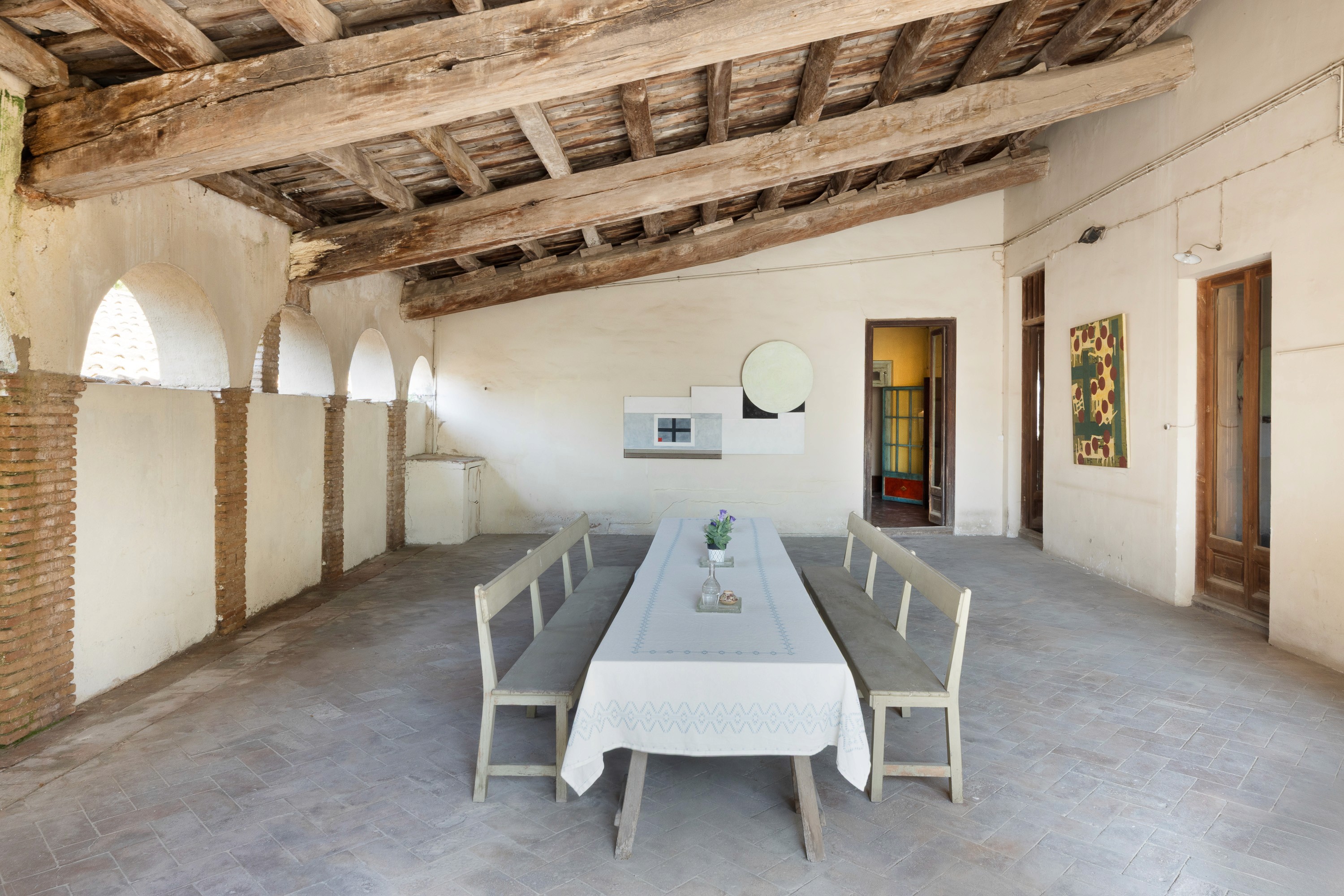
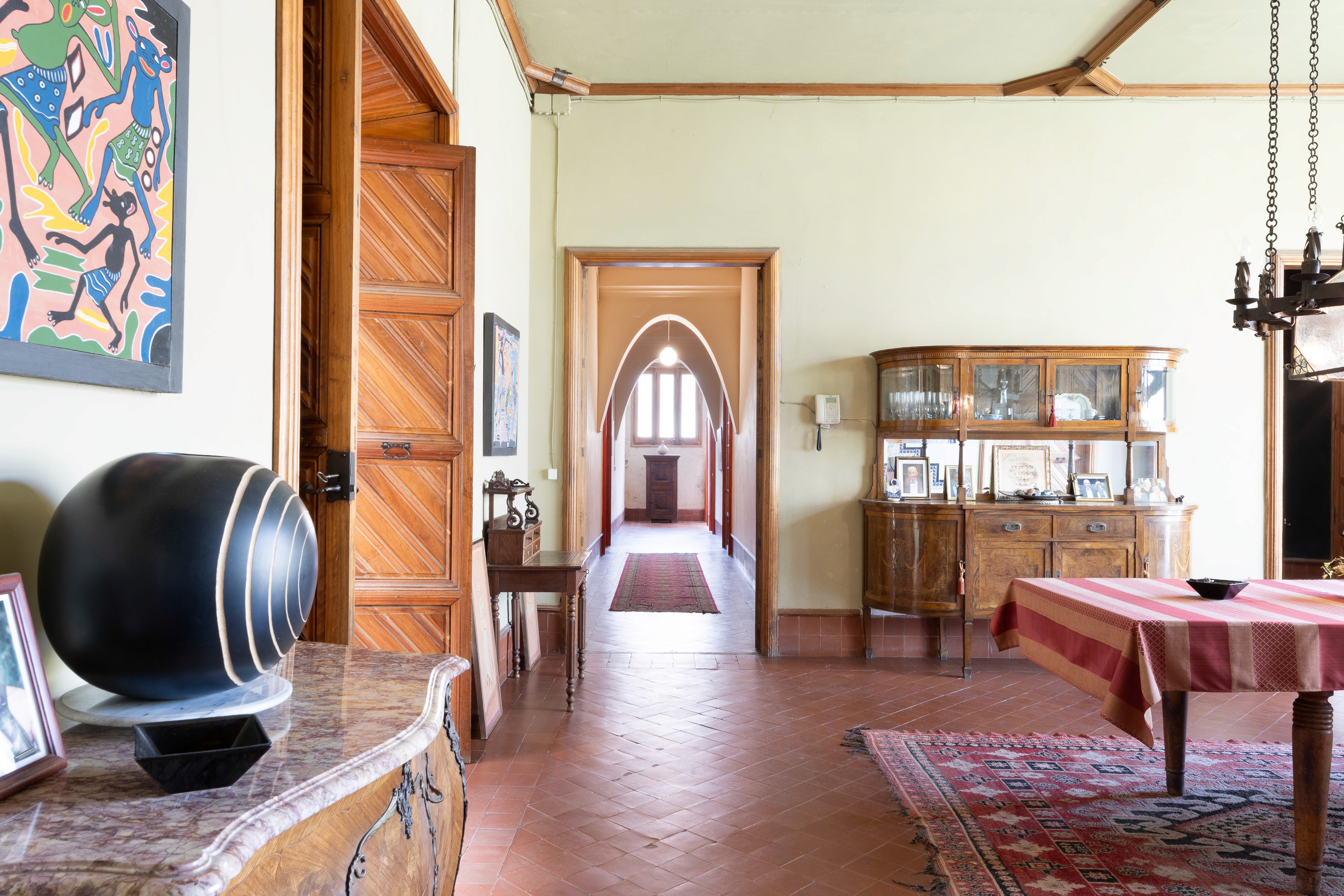
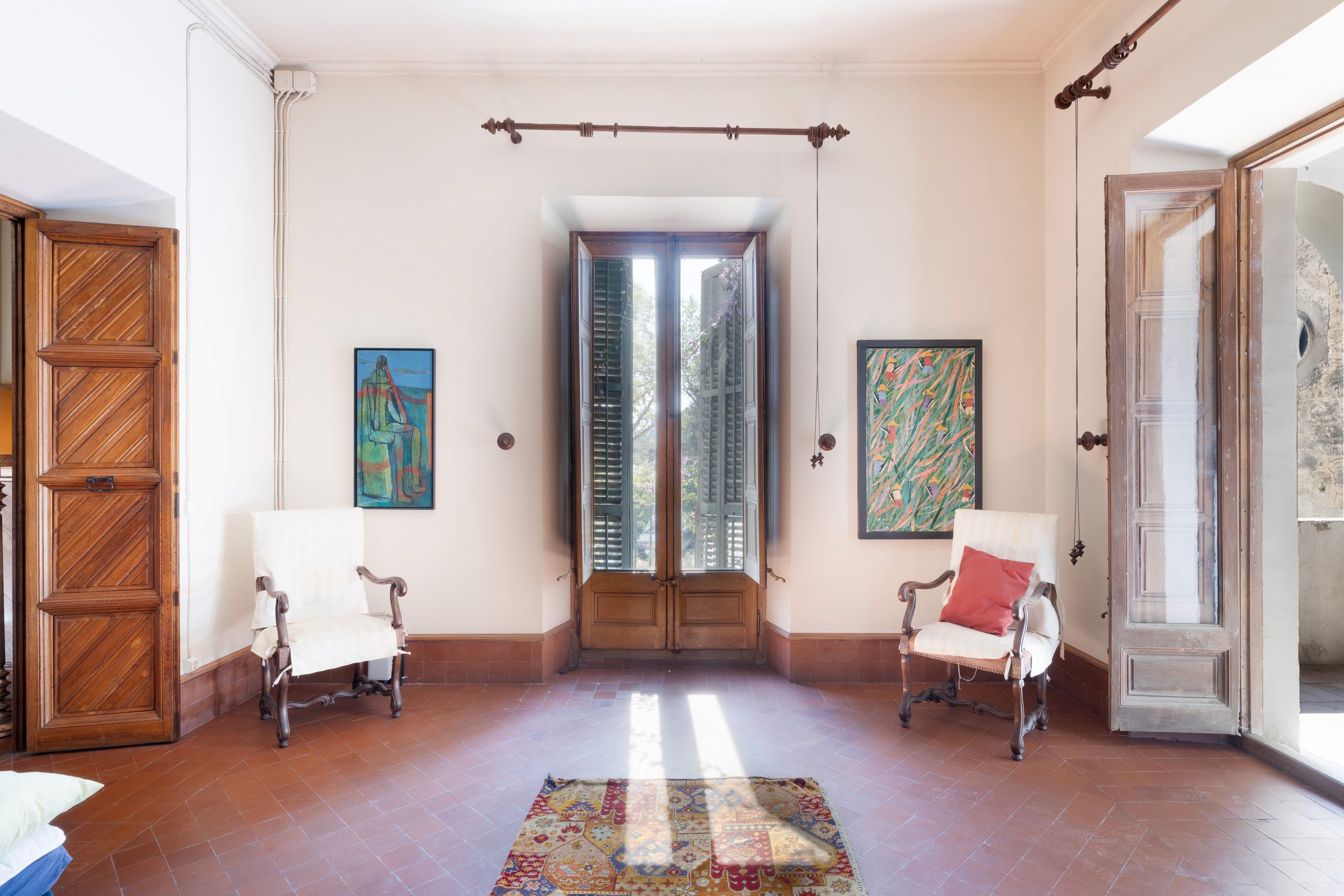
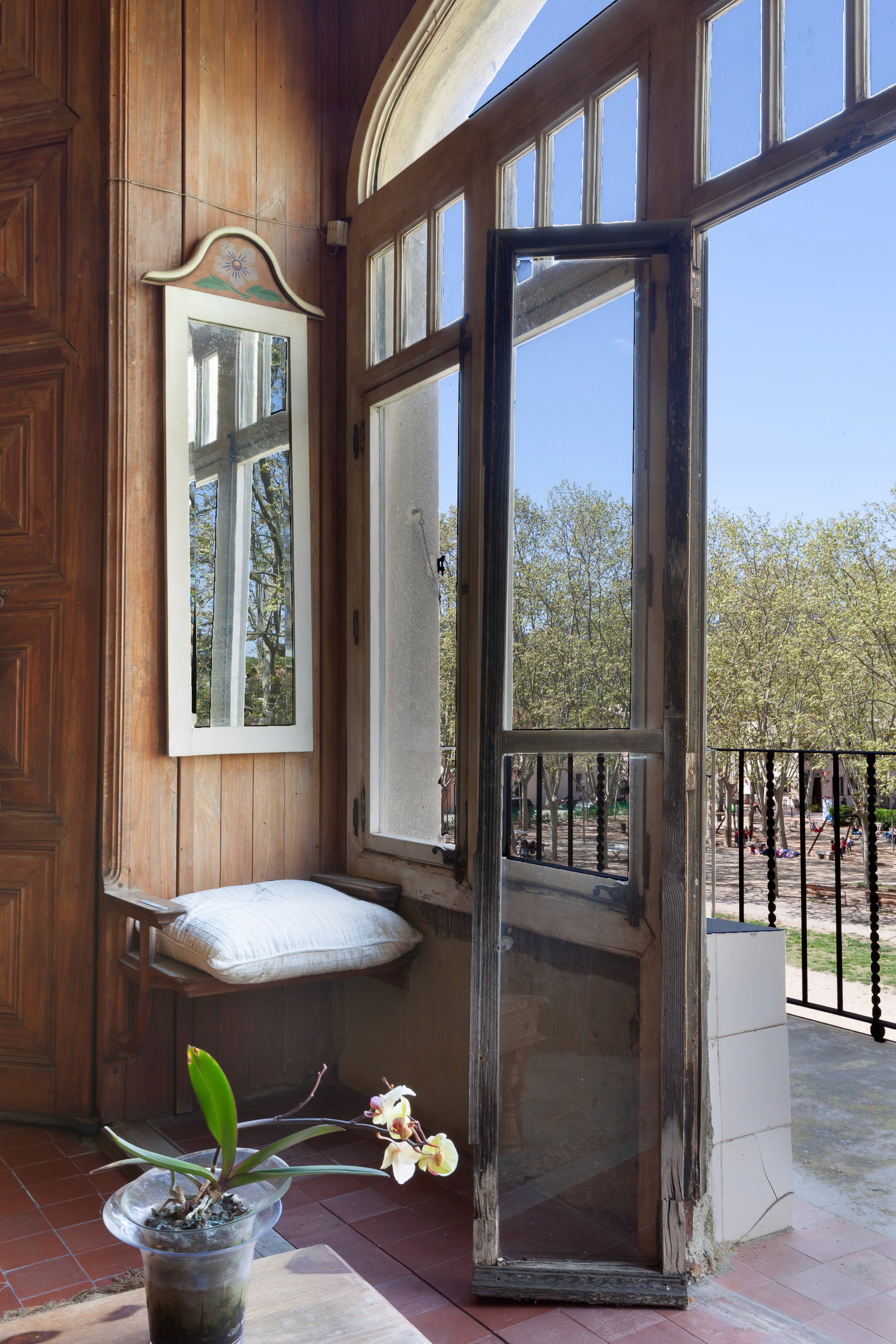
Original stone façades, hand-carved wooden ceilings, and vaulted interiors reveal the estate’s enduring craftsmanship. Every detail - from terracotta tiles to the interplay of shadow and sun - reflects Catalonia’s timeless architectural language.
Original stone façades, hand-carved wooden ceilings, and vaulted interiors reveal the estate’s enduring craftsmanship. Every detail - from terracotta tiles to the interplay of shadow and sun - reflects Catalonia’s timeless architectural language.
Key Figures
at a glance.
Key Figures
at a glance.
Key Figures
at a glance.
€0.0m
€0.0m
Asking Price. Privately owned freehold estate
€0m
€0m
Projected rehabilitation based on Heres Arquitectura cost estimates.
0 Rooms
0 Rooms
Capacity
0+
0+
Visitors to Gaudí’s Crypt each year, directly opposite the property.
€0.0m
€0.0m
Asking Price. Privately owned freehold estate
€0m
€0m
Projected rehabilitation based on Heres Arquitectura cost estimates.
0 Rooms
0 Rooms
Capacity
0+
0+
Visitors to Gaudí’s Crypt each year, directly opposite the property.
€0.0m
€0.0m
Asking Price. Privately owned freehold estate
€0m
€0m
Projected rehabilitation based on Heres Arquitectura cost estimates.
0 Rooms
0 Rooms
Capacity
0+
0+
Visitors to Gaudí’s Crypt each year, directly opposite the property.
Hotel vision & floor plans
Hotel vision & floor plans
The Boutique Hotel Vision
by
Heres Arquitectura
The Boutique Hotel Vision
by
Heres Arquitectura
The Boutique Hotel Vision
by
Heres Arquitectura
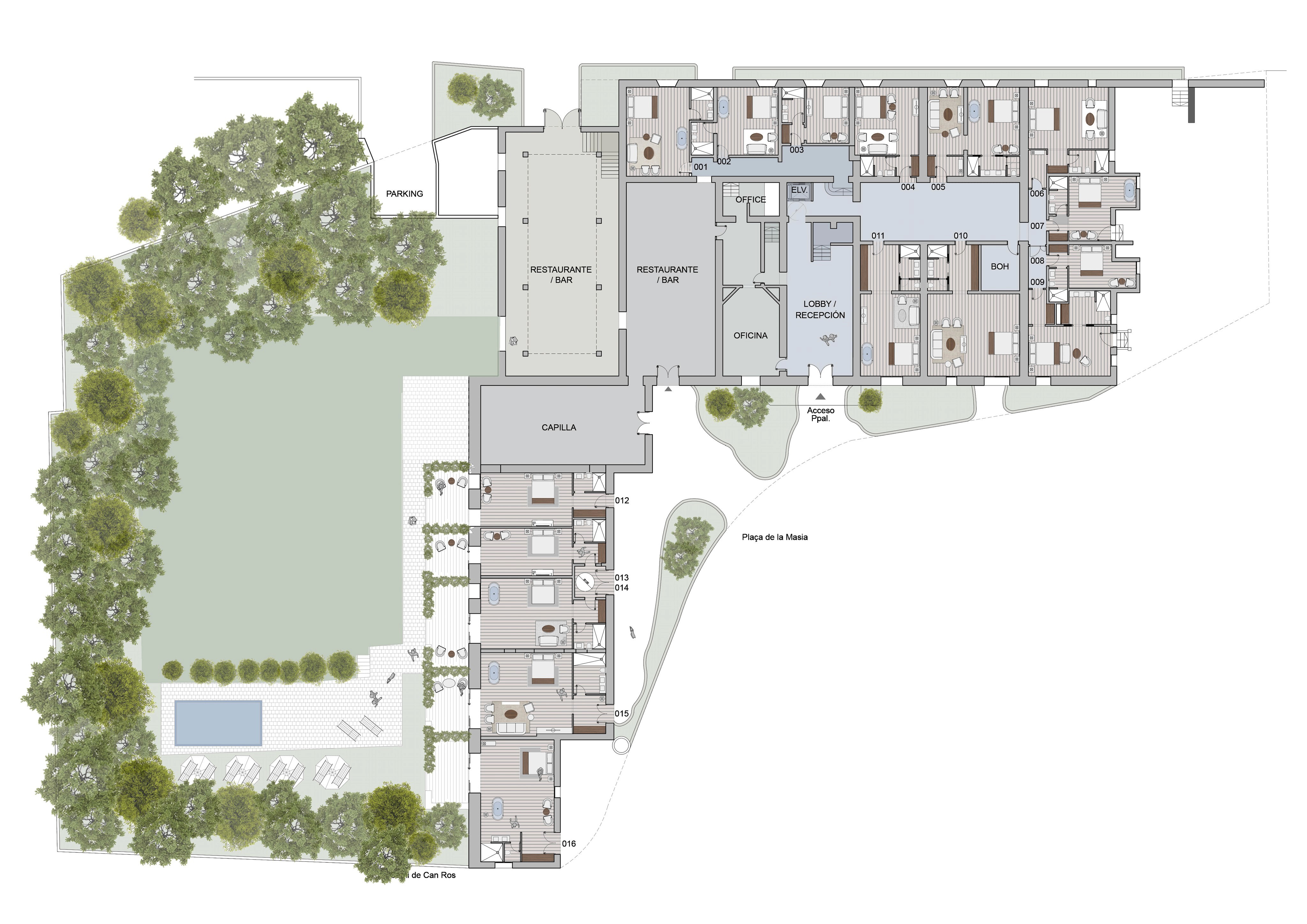
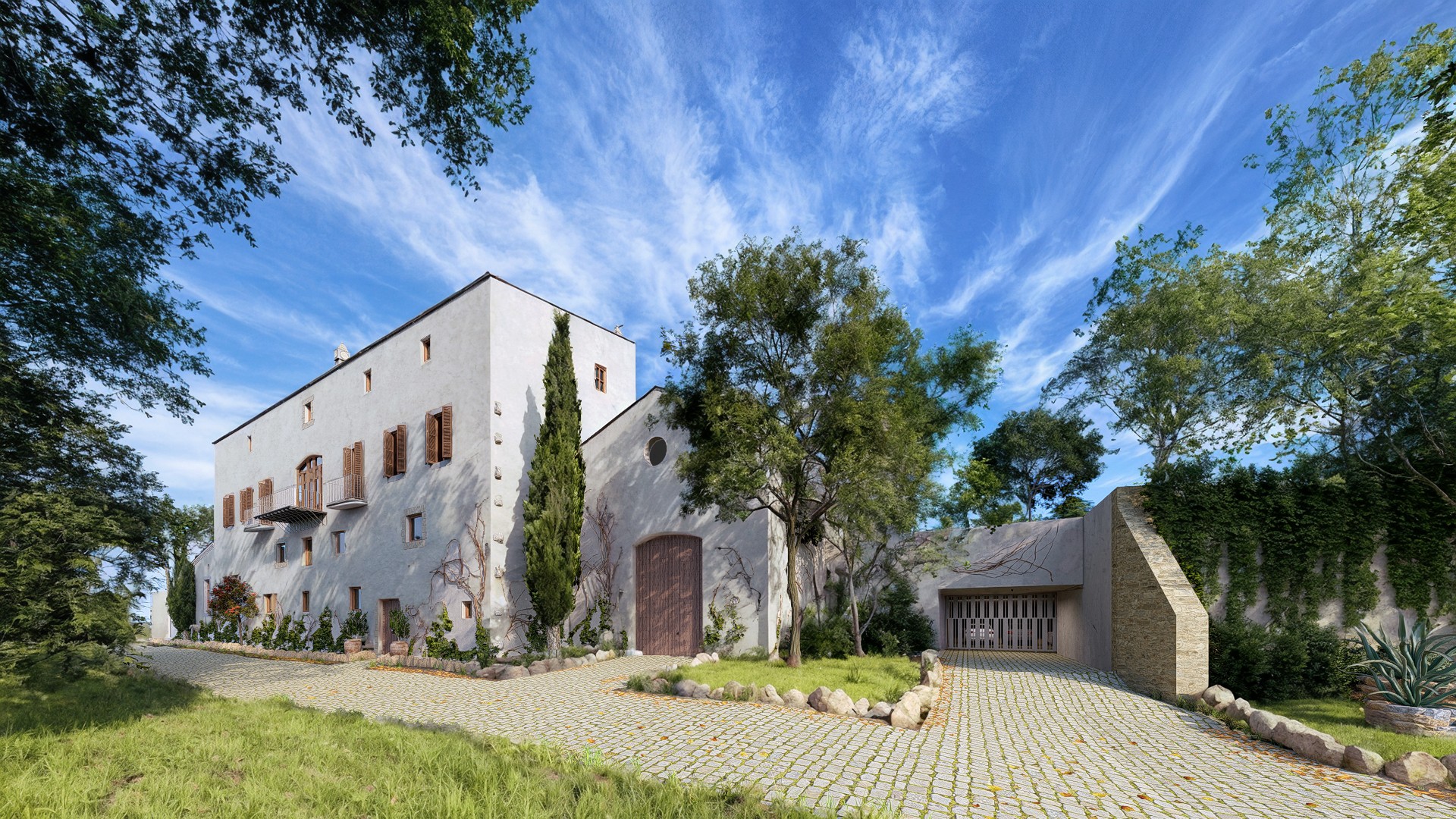
The preliminary design by Heres Arquitectura proposes the adaptive transformation of the estate into a 24-room luxury boutique hotel. The design preserves the original spatial rhythm of the farmhouse while integrating contemporary hospitality features, including a restaurant, landscaped gardens with a swimming pool, and on-site parking.
The preliminary design by Heres Arquitectura proposes the adaptive transformation of the estate into a 24-room luxury boutique hotel. The design preserves the original spatial rhythm of the farmhouse while integrating contemporary hospitality features, including a restaurant, landscaped gardens with a swimming pool, and on-site parking.
Basement
Ground Floor
First Floor
Second Floor
Communal reception, restaurant & courtyard dining
Basement
Ground Floor
First Floor
Second Floor
Communal reception, restaurant & courtyard dining
The Vision
The Vision
"If Sagrada Família was Gaudí’s cathedral, the Crypt was his sketchbook." - Jordi Bonet, former chief architect of Sagrada Família
"If Sagrada Família was Gaudí’s cathedral, the Crypt was his sketchbook." - Jordi Bonet, former chief architect of Sagrada Família
"If Sagrada Família was Gaudí’s cathedral, the Crypt was his sketchbook." - Jordi Bonet, former chief architect of Sagrada Família
Location
Location
Location
Just 12 km from Barcelona and 10 km from the airport, La Masía Can Soler de la Torre enjoys a privileged, nature-surrounded setting with easy access to the city and its rich heritage. Close to Gaudí’s Crypt, Park Güell, the Sagrada Família and Casa Batlló, it sits at the heart of Catalonia’s modernist triangle.
Just 12 km from Barcelona and 10 km from the airport, La Masía Can Soler de la Torre enjoys a privileged, nature-surrounded setting with easy access to the city and its rich heritage. Close to Gaudí’s Crypt, Park Güell, the Sagrada Família and Casa Batlló, it sits at the heart of Catalonia’s modernist triangle.
Just 12 km from Barcelona and 10 km from the airport, La Masía Can Soler de la Torre enjoys a privileged, nature-surrounded setting with easy access to the city and its rich heritage. Close to Gaudí’s Crypt, Park Güell, the Sagrada Família and Casa Batlló, it sits at the heart of Catalonia’s modernist triangle.
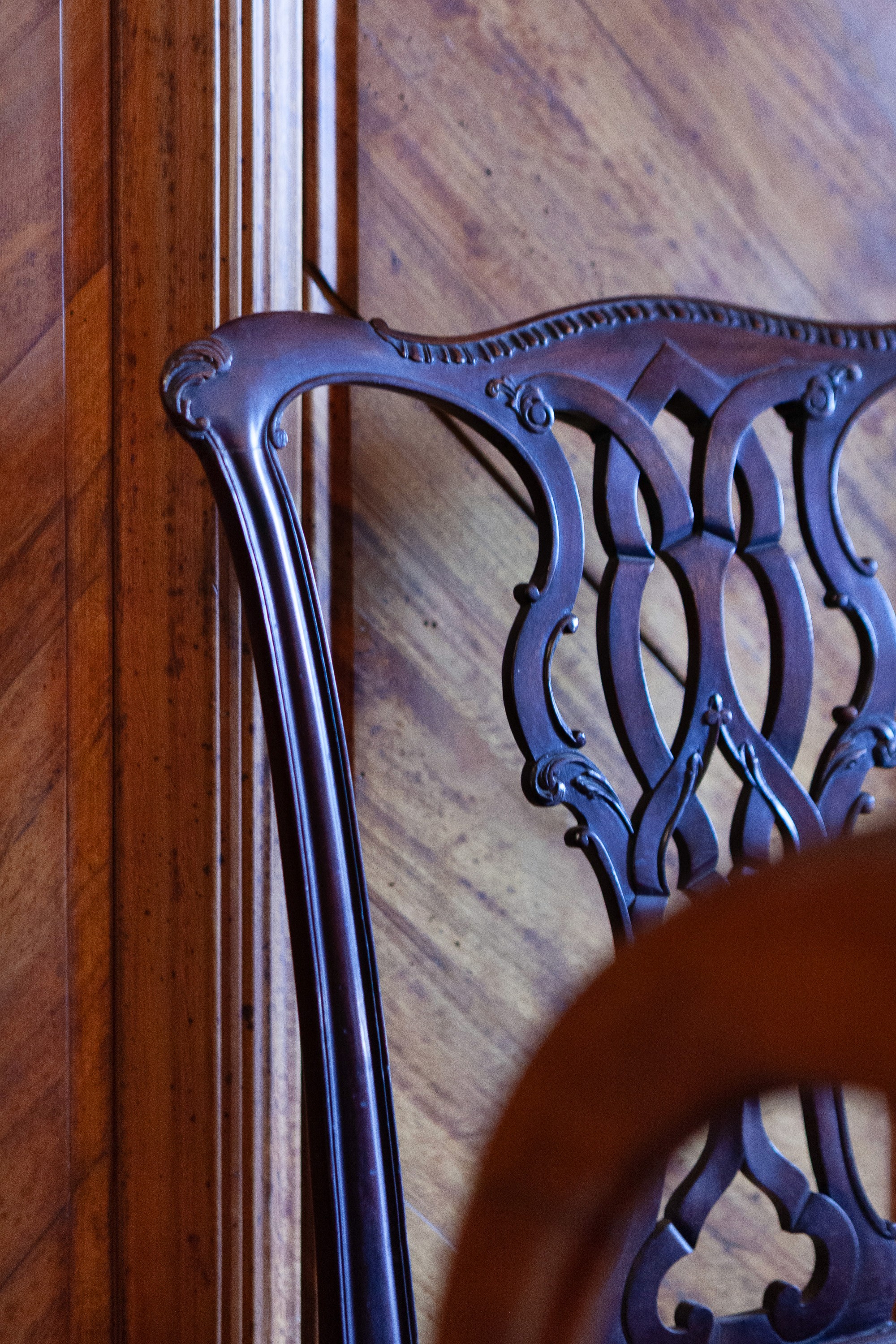
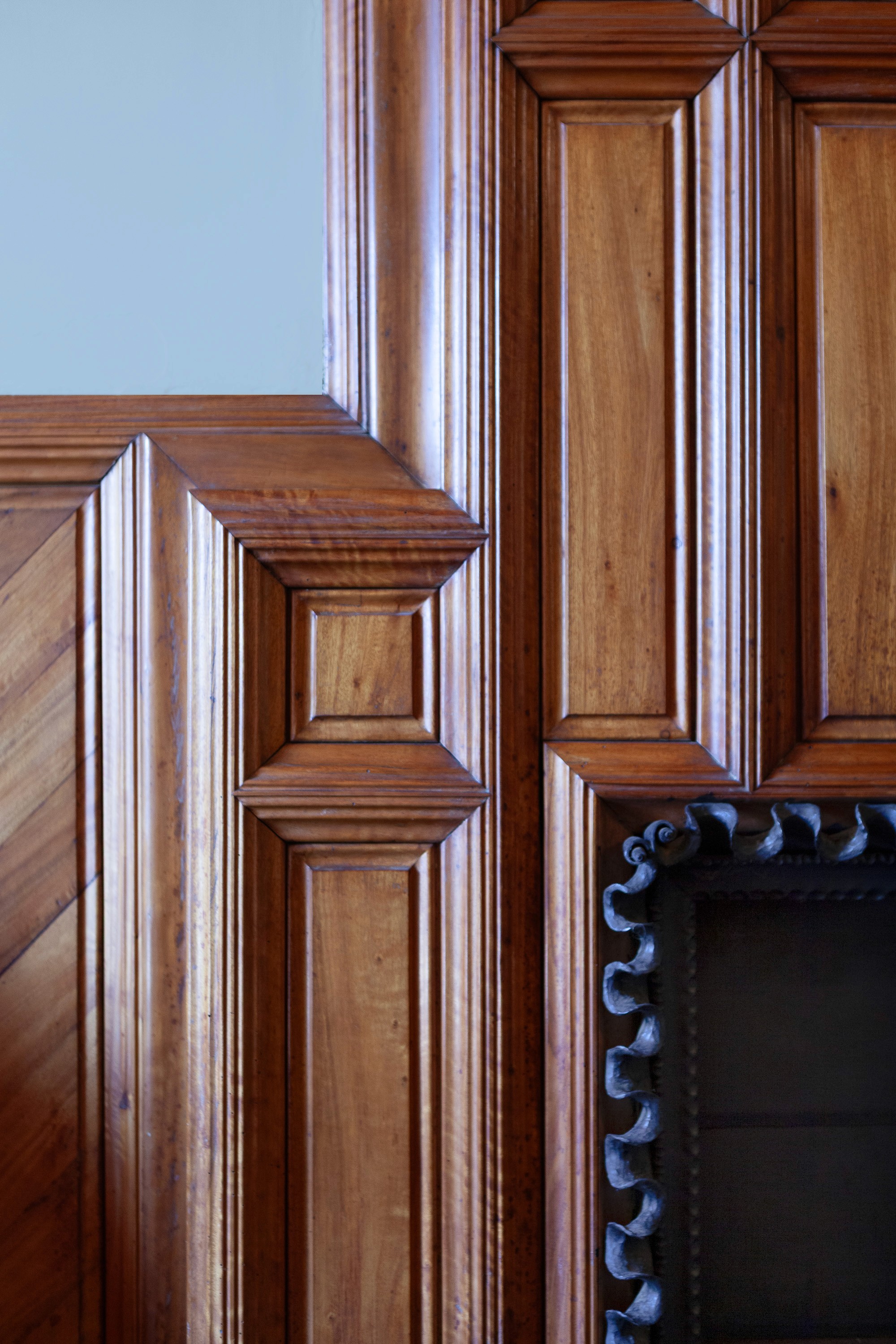
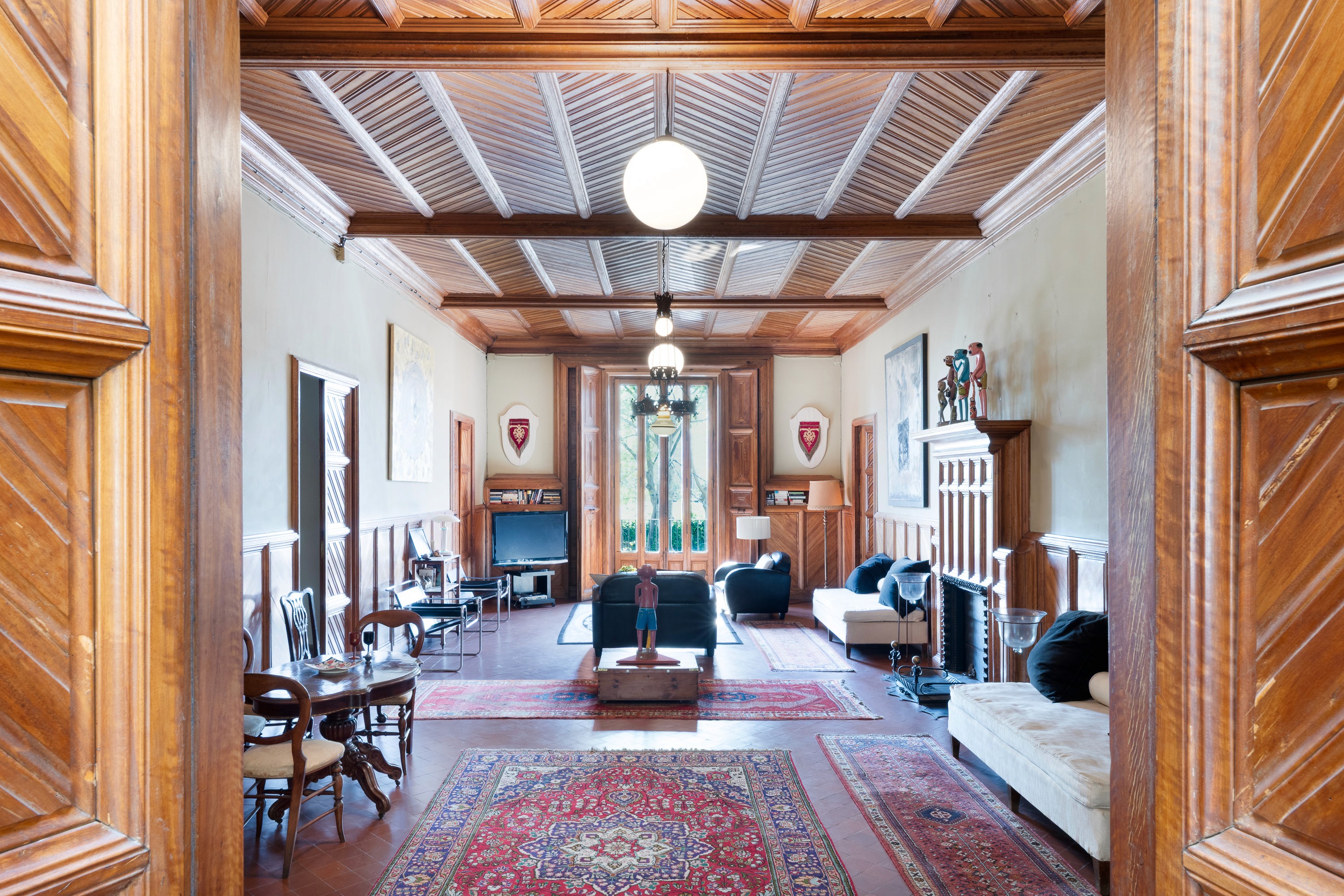
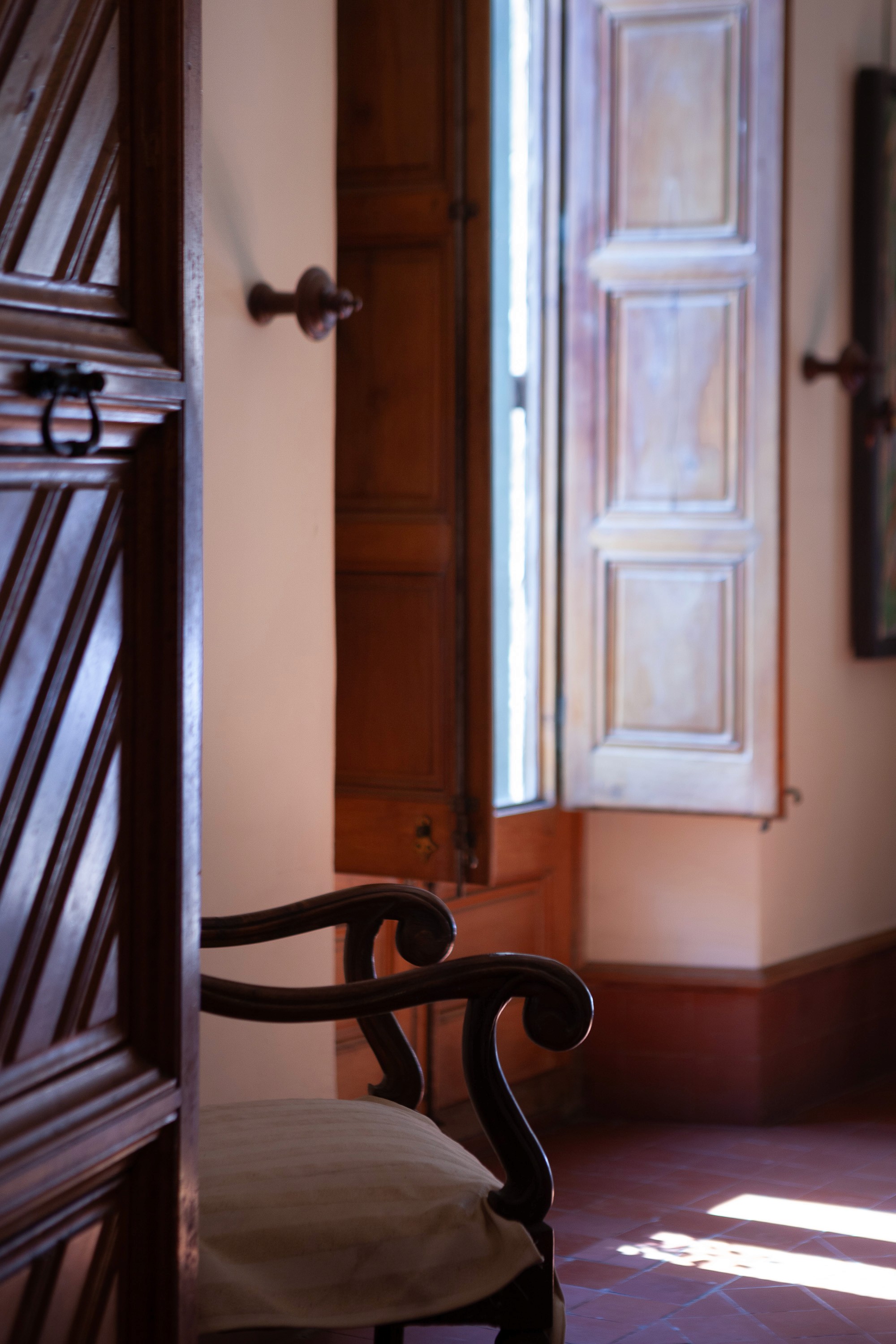
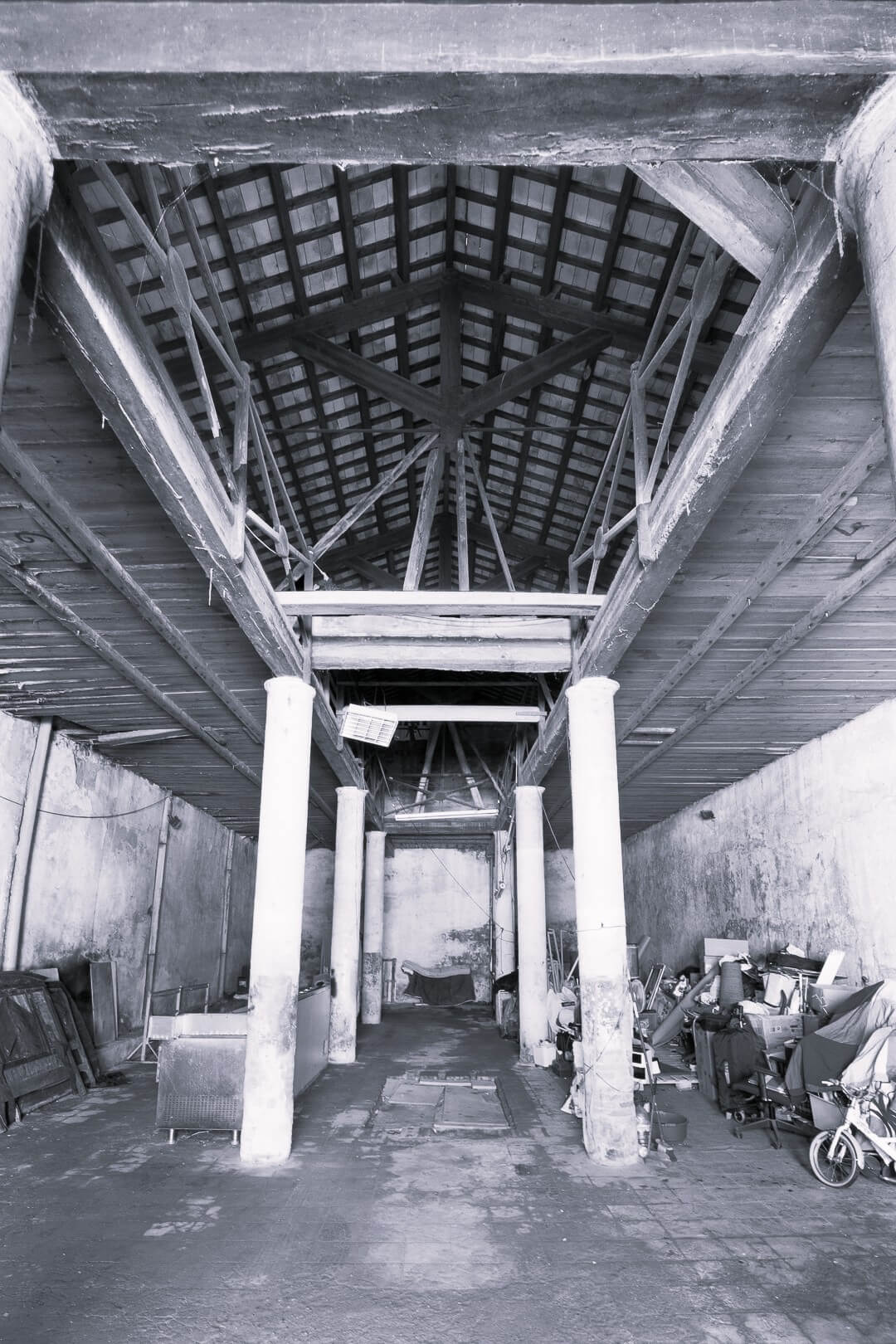
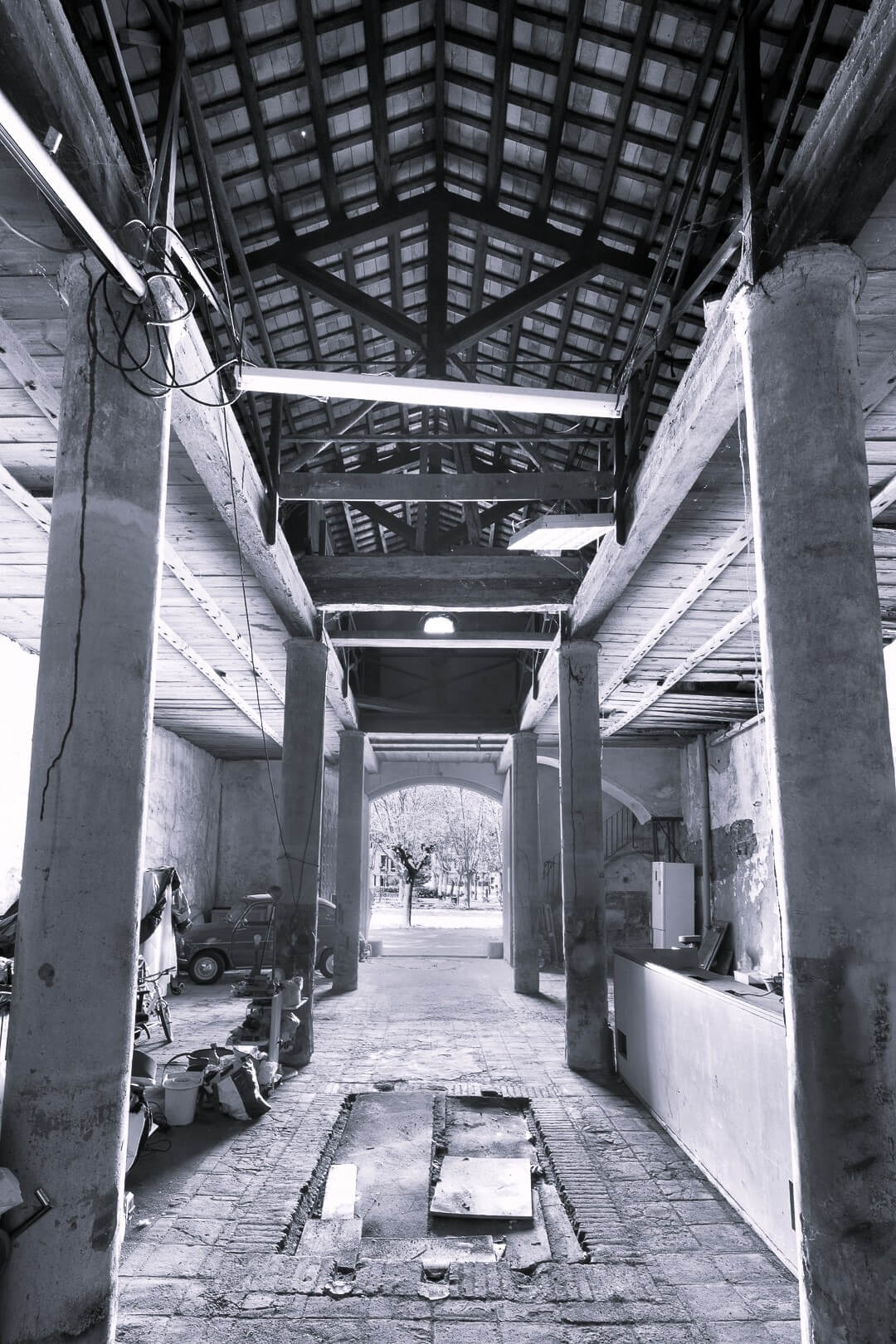
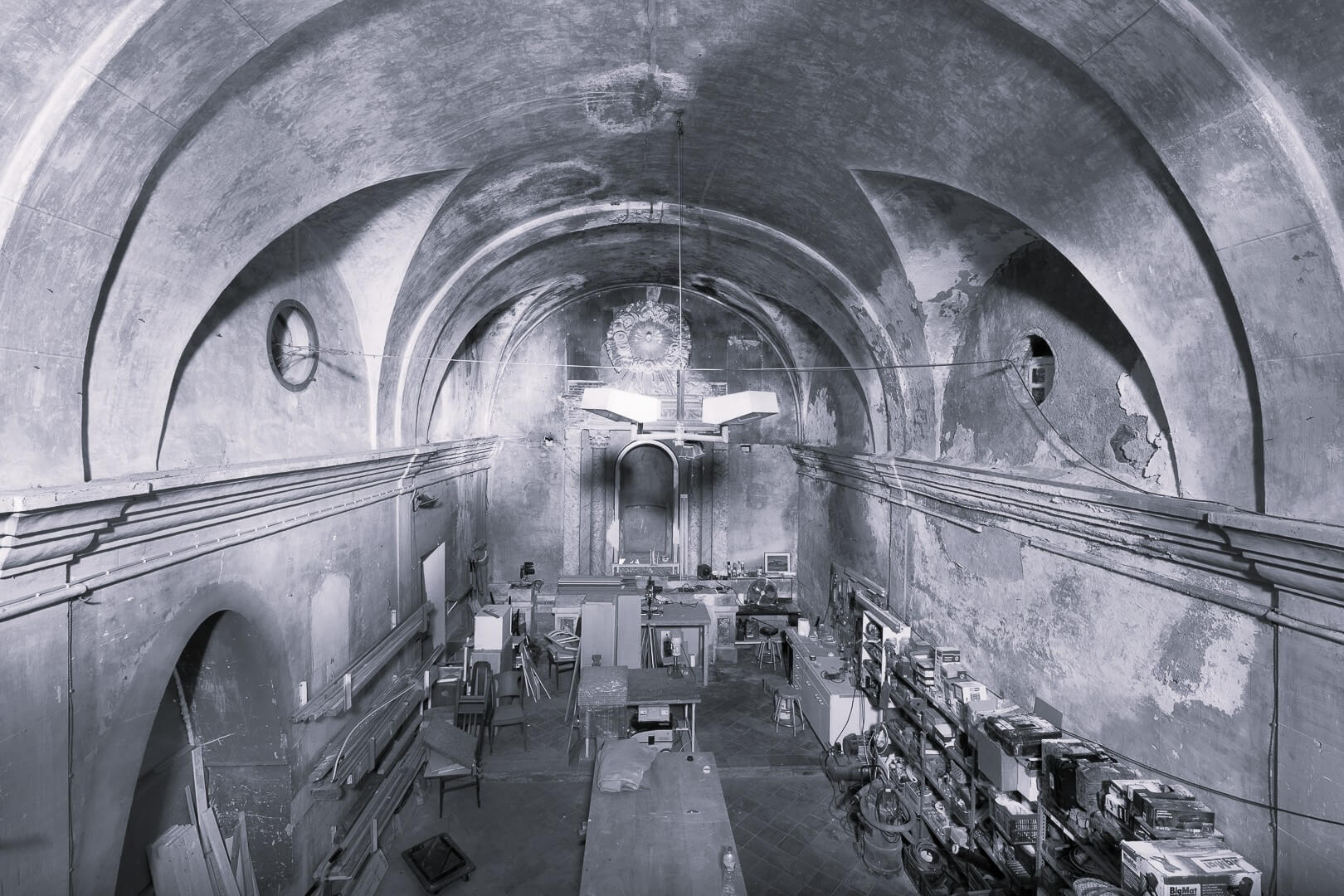
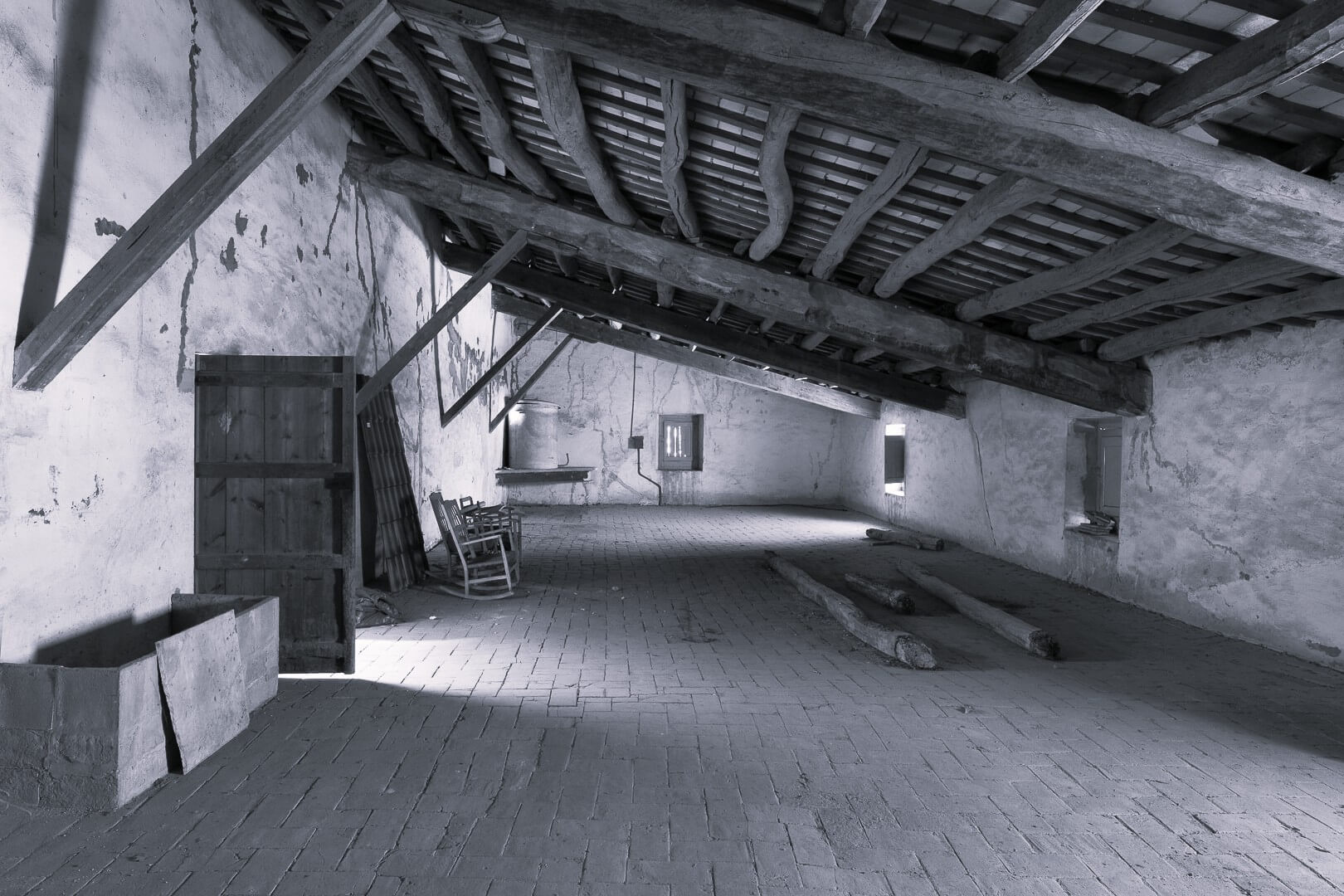
Unique spaces within the estate to be restored
Unique spaces within the estate to be restored
Unique spaces within the estate to be restored
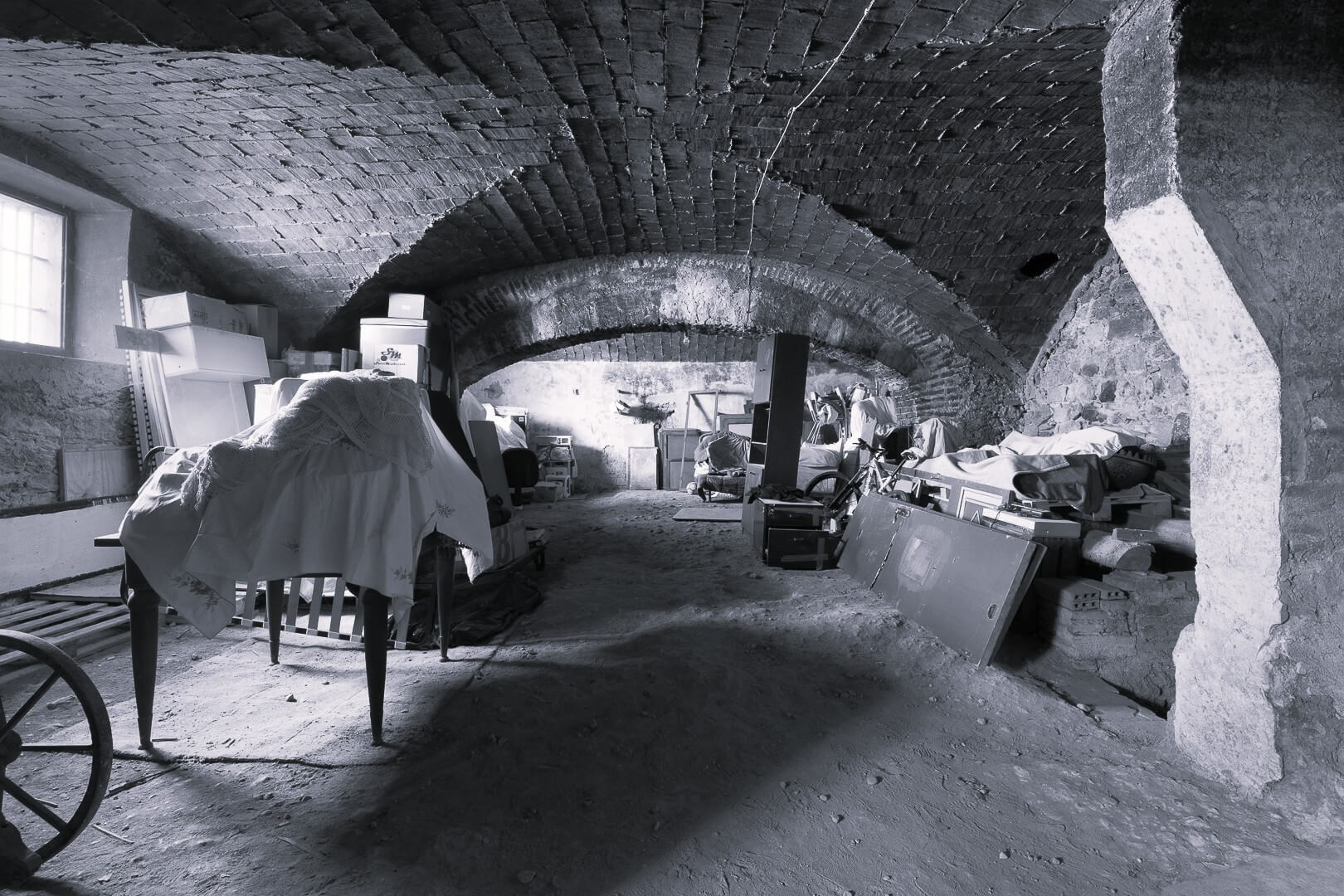
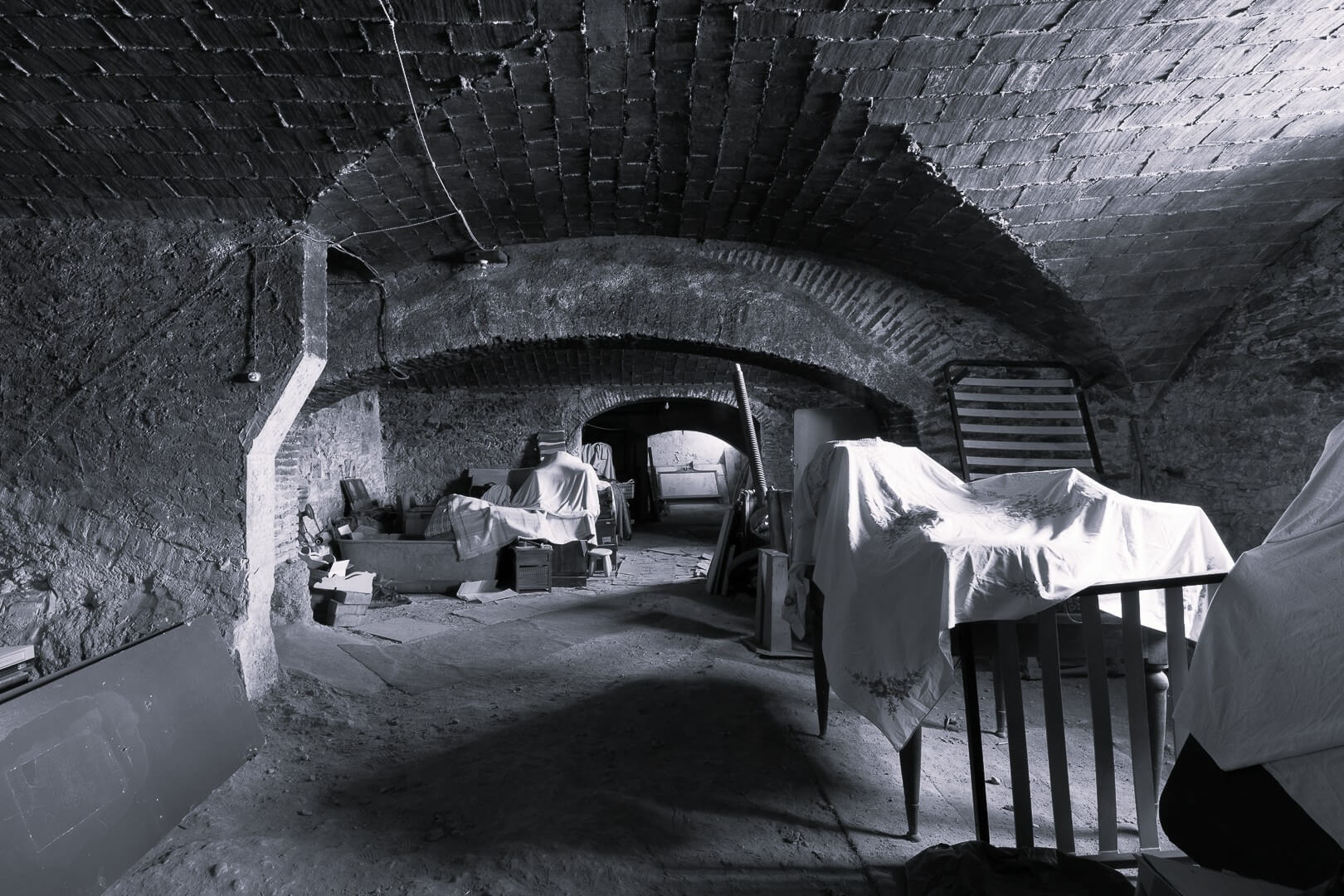
our team
our team
Meet the GENState Team
Meet the GENState Team
Meet the GENState Team
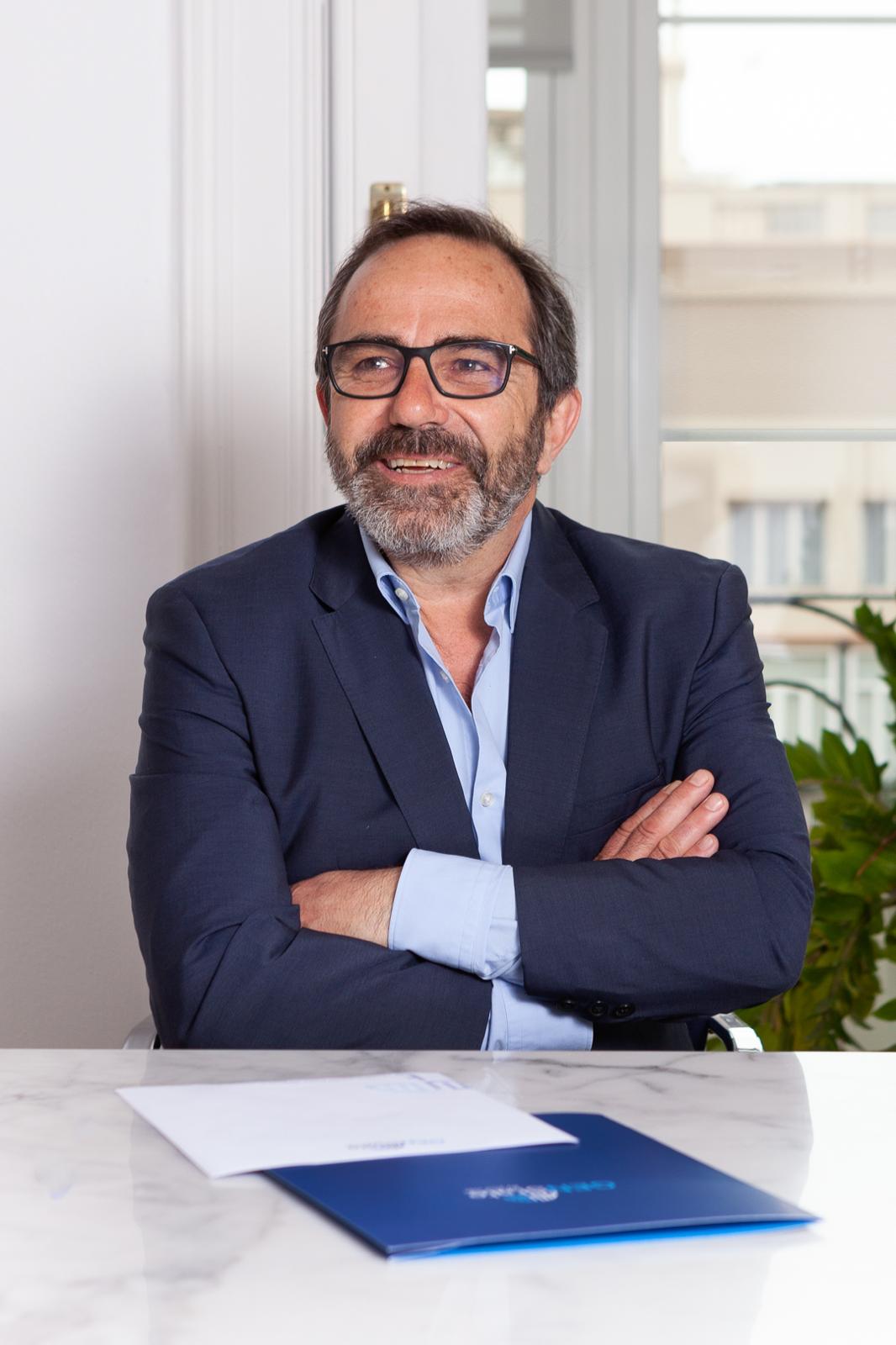
Senior Real Estate Consultant
With more than 30 years of experience in the real estate sector, Xavi brings deep market knowledge, negotiation expertise, and a long-standing track record in managing high-value transactions. He is your trusted advisor throughout the entire investment process.
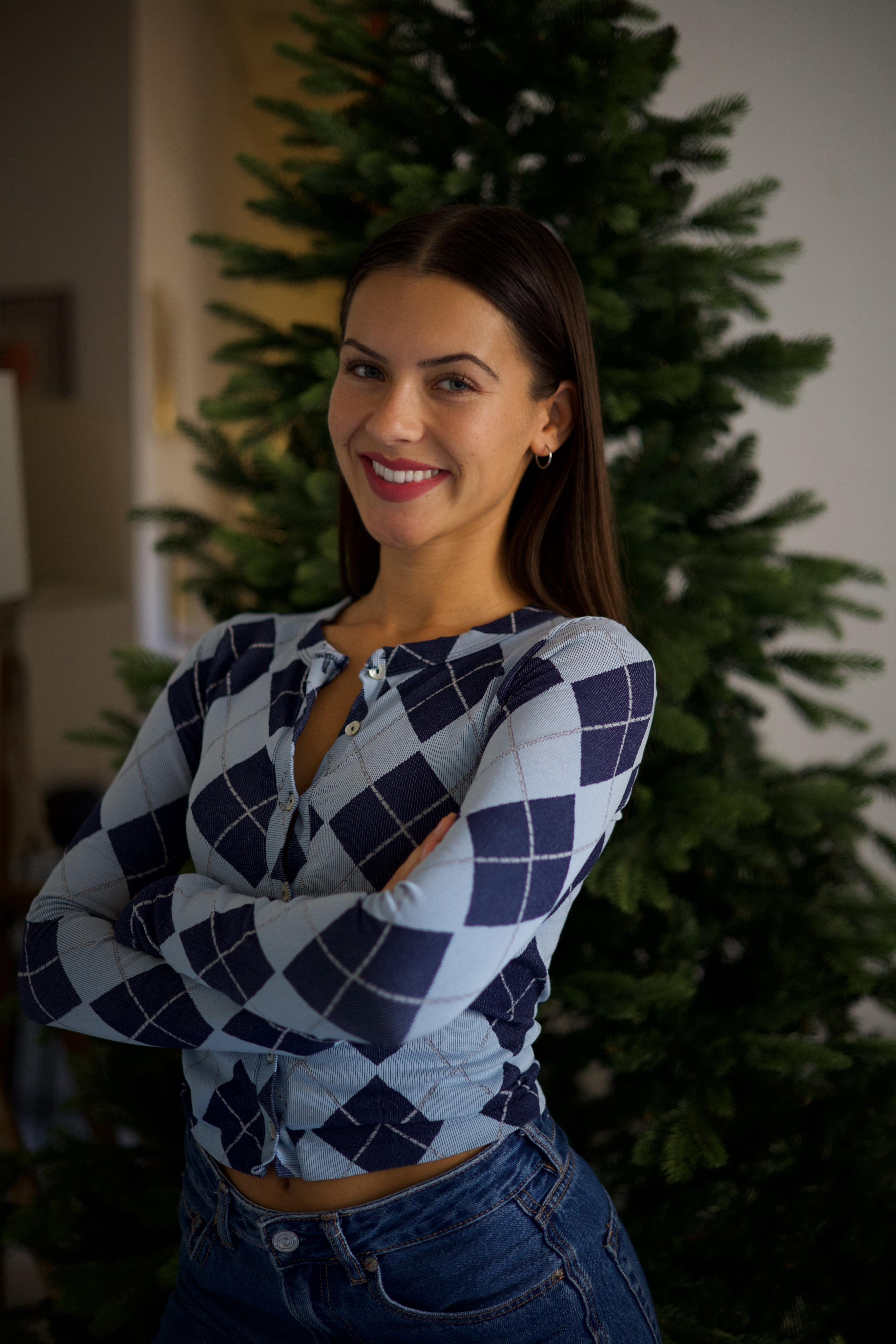
International Relations Manager
Xenia oversees investor relations and international communications for the project. She ensures that each enquiry is handled with precision and care, providing seamless coordination between interested buyers, partners, and the GENState team.
The moment to act is now.
With Gaudí’s centenary in 2026, attention on the heritage corridor is set to peak. If you’re considering the revival of Can Soler de la Torre, reach out here to access the full project pack and discuss timelines.
By signing up to receive emails from GenState, you agree to our Privacy Policy.
The moment to act is now.
With Gaudí’s centenary in 2026, attention on the heritage corridor is set to peak. If you’re considering the revival of Can Soler de la Torre, reach out here to access the full project pack and discuss timelines.
By signing up to receive emails from GenState, you agree to our Privacy Policy.
The moment to act is now.
With Gaudí’s centenary in 2026, attention on the heritage corridor is set to peak. If you’re considering the revival of Can Soler de la Torre, reach out here to access the full project pack and discuss timelines.
By signing up to receive emails from GenState, you agree to our Privacy Policy.